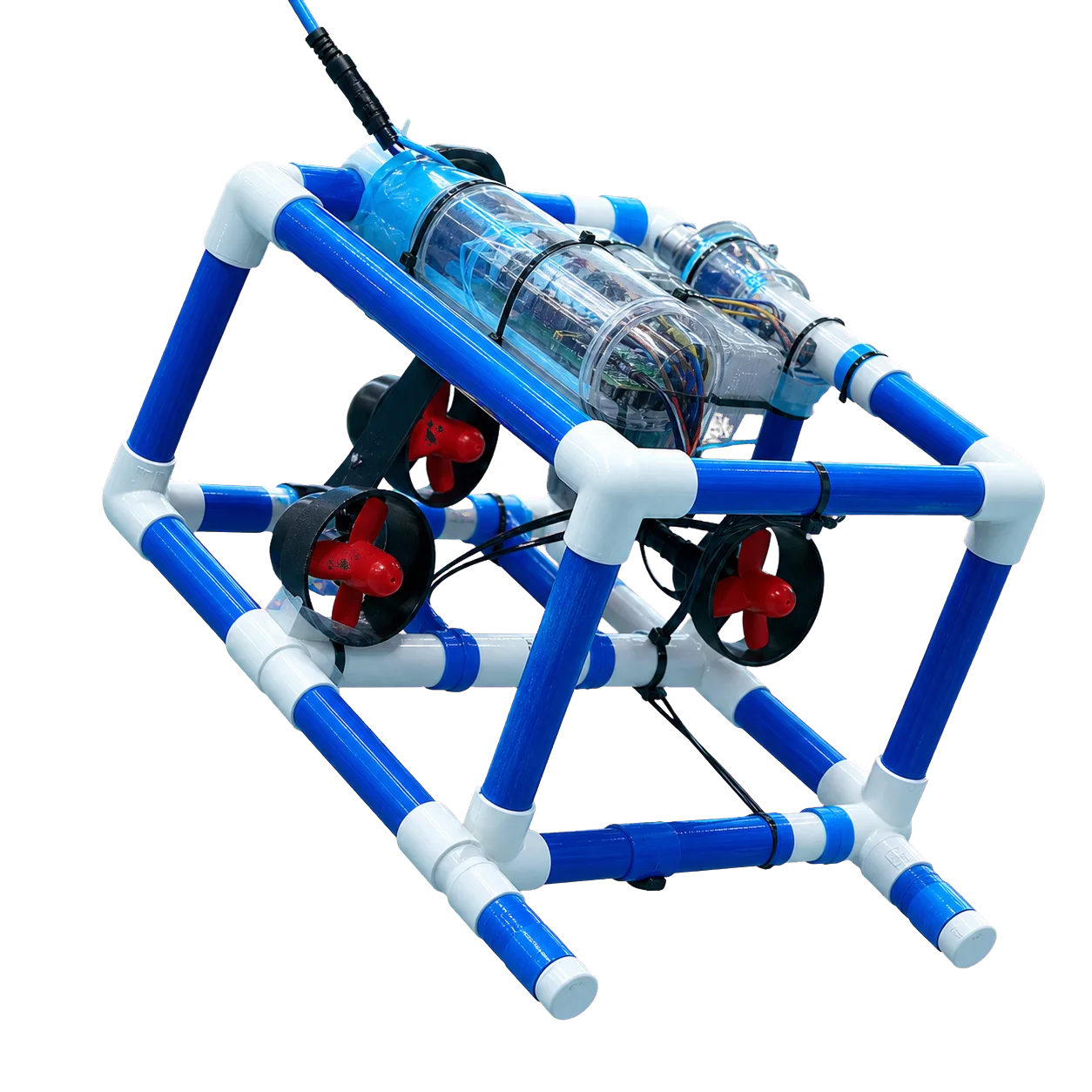
ROV–01
ROV & ocean engineering
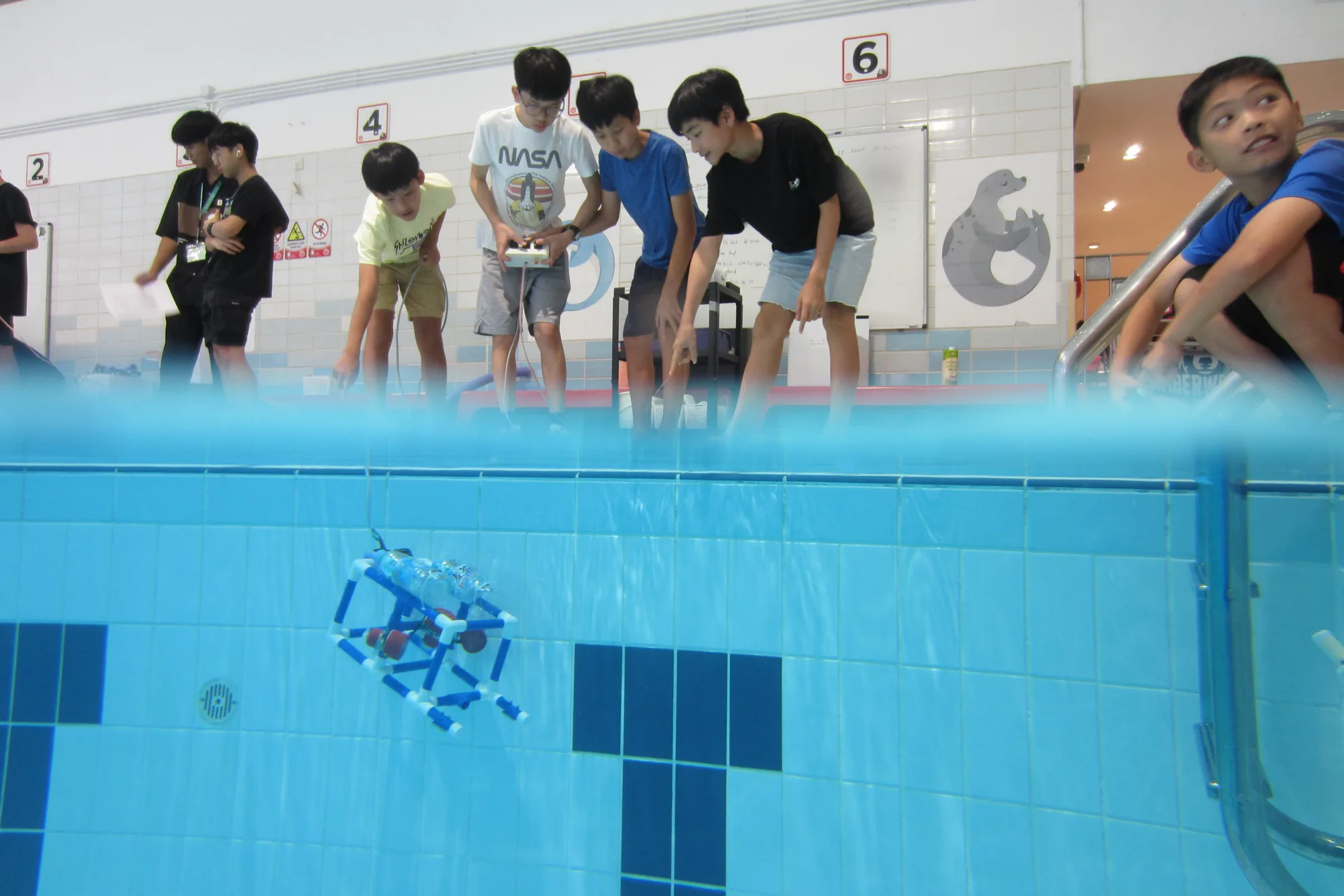
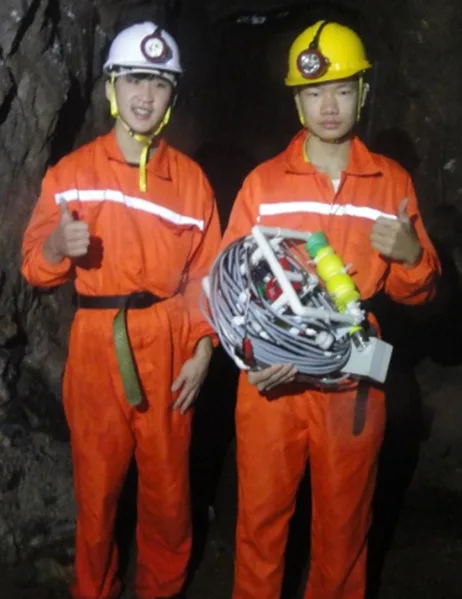
Build a tethered underwater robot, wire its control system, balance buoyancy, and pilot it through real pool trials.
- Mechanics
- Electronics
- Hydrodynamics
Programmes / workshops / research pathways
From primary-school discovery to secondary and university-level research, every programme centres on making, testing, and explaining something real.
University-grade equipment. A complete engineering outcome. Your own evidence.
The flagship workshop
ROV–01 / THE OCEANWAY
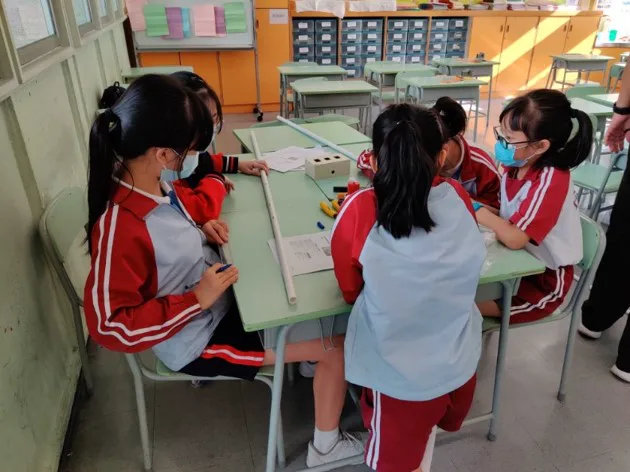
Teams move through structure, buoyancy, thrusters, wiring, controls, testing, and piloting. The pool is not a demonstration—it is where every design decision becomes visible.
The research pathways
Programmes can stand alone or combine into a longer school partnership where students can be mentored through research papers & projects.
Build a tethered underwater robot, wire its control system, balance buoyancy, and pilot it through real pool trials.
Explore sensing, movement, autonomy, and the decisions a robot must make when the operator steps back.
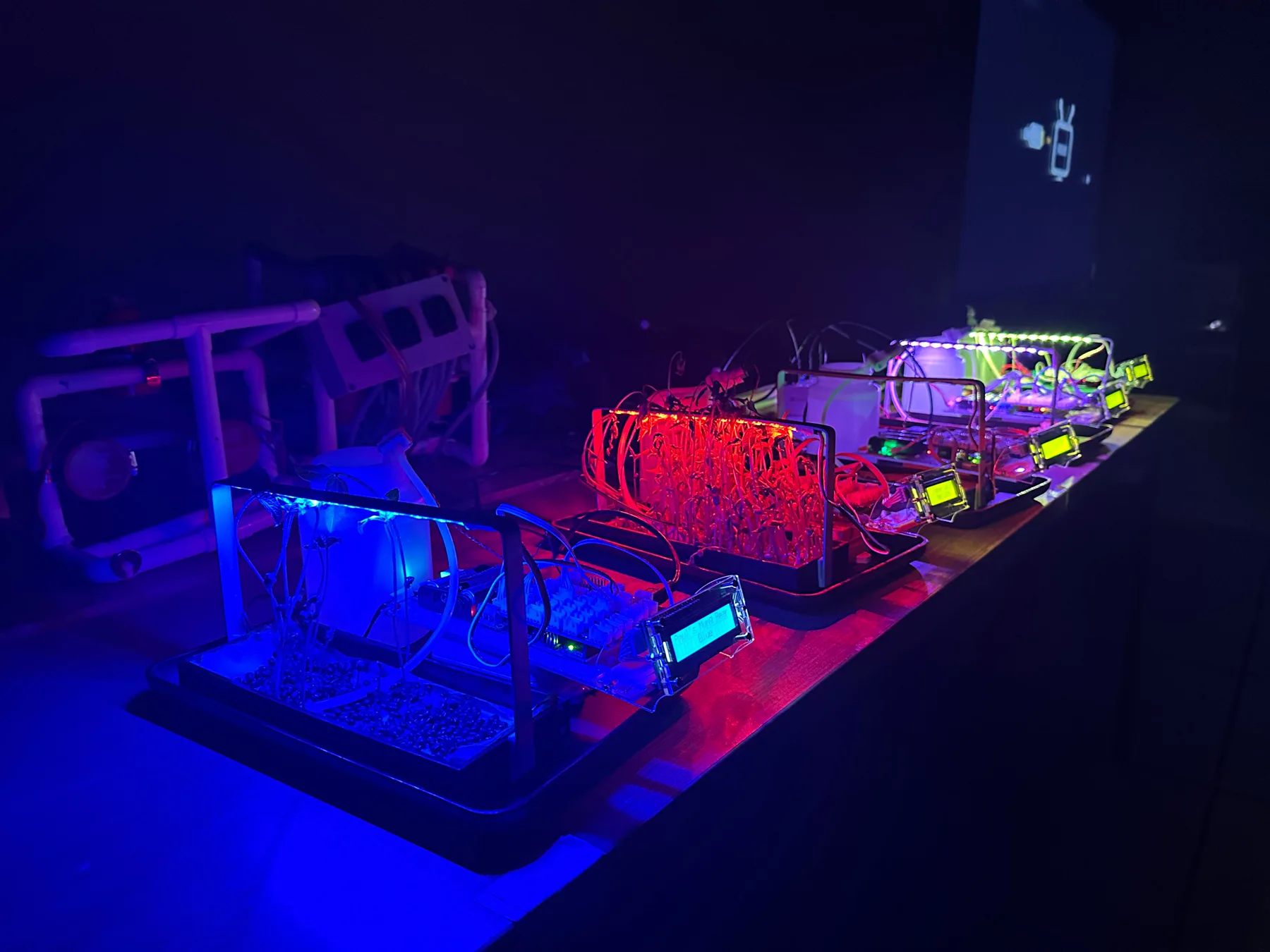
Connect environmental sensors, live data, and automated responses to create a smarter growing system.
Turn circuits, components, and code into instruments that measure, respond, and communicate.
Use approachable simulations and university-level equipment to investigate a different model of computing.
Design an investigation for a real place, collect evidence, and turn field observations into defensible research.
School-wide research systems
BrainSTEM develops long-term, customised programmes for Hong Kong primary and secondary schools, taught on campus by university mentors and shaped around each school's learning priorities.
IoT environment monitors, AI growing systems, and automated experiment rigs.
Mentored projects designed for posters, conferences, and formal papers.
ROV challenges, poster exhibitions, and cross-school young engineer events.
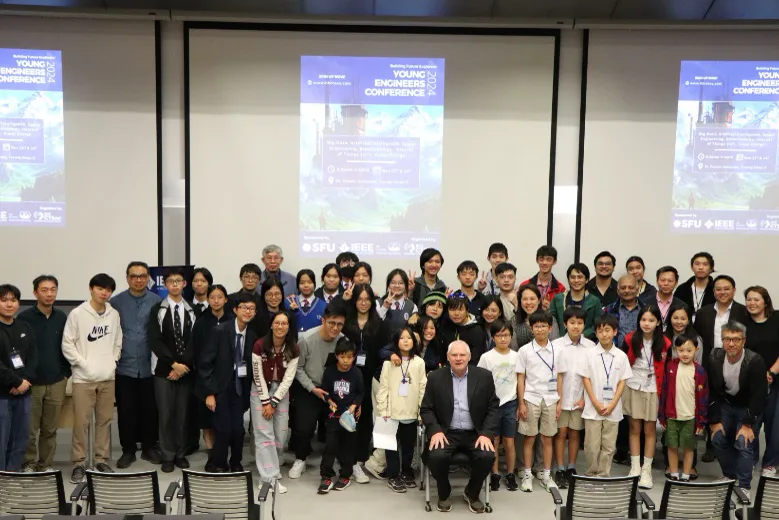
YE International Young Engineers Conference
Individuals and small teams progress through technical training, one-to-one mentorship, original development, an IEEE-standard research poster, live questions, and formal paper review.